Every site starts with the same question: build on something free, or pay for infrastructure from day one? The answer changes once money enters the picture. A free platform is fine for testing whether an idea has legs. It’s a harder place to actually get paid.
Free blog platforms cap monetisation long before you hit meaningful traffic. Ad networks beyond the platform’s own may be blocked, affiliate links restricted, and plugins for email capture forms or membership gates may not exist on a hosted free tier. Custom domains are usually an upsell, so your site sits at a subdomain that reads as a placeholder rather than a business.
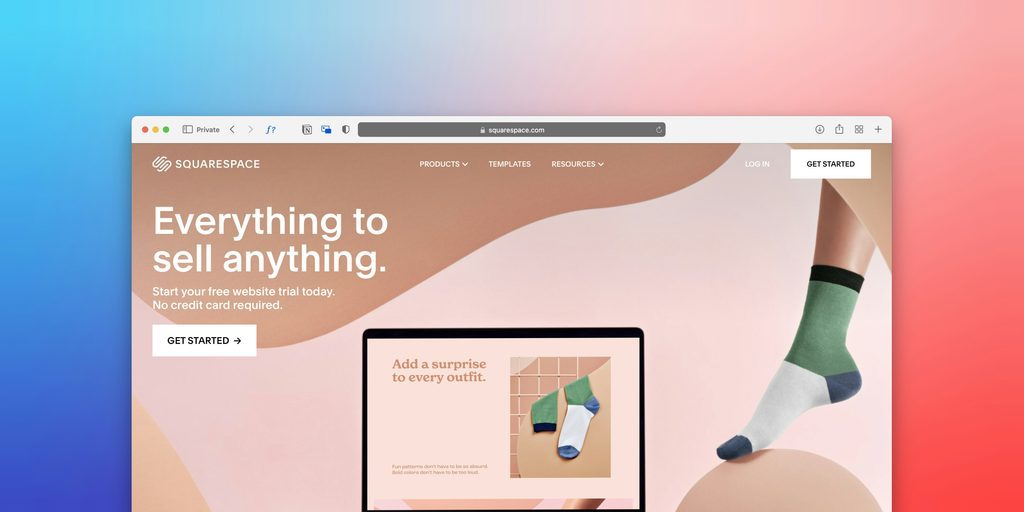
Cheap hosting removes those restrictions for little money, and one.com is a strong option here, selling cheap web hosting for a few pounds a month. one.com also bundles SSL certificates, automatic backups, professional email on your own domain, and a website builder for anyone who’d rather not touch code. Before committing, it’s worth checking a rundown of the website builders worth using, since the builder you choose affects how much of the backend you’ll manage.
Free Platforms Are Fine, Until You Want to Get Paid
There’s a reasonable case for starting free. If you don’t know whether you’ll stick with a niche past the third month, spending money on a domain and hosting can be premature. The trade-off is that the platform owns more of the relationship with the reader. Your posts sit under someone else’s terms of service, and those terms can change monetisation rules without notice.
Plugins are the clearest example. A self-hosted setup using self-hosted WordPress software lets you install a form builder, SEO tool, caching layer, or whatever the site needs as it grows. A free platform ships the features it chooses, on its schedule, and little else.
Platform Risk: Reach Isn’t Ownership
Social-first publishing has the same structural problem. Building an audience entirely on a platform means the platform decides who sees your content and when. Algorithm changes can cut organic reach, and reporting on platform algorithm shifts shows this is a recurring cost of building where you don’t control distribution.
A domain you own, pointed at hosting you control, doesn’t share that failure mode. Search rankings can still change, but an email list built around a professional address tied to your own domain cannot be revoked by a platform policy update.
Self-Hosted WordPress: Where the Money Actually Lands
Self-hosted WordPress, running on your own domain and hosting account, is where control over monetisation sits. You choose the ad network, install affiliate plugins, and build an email list on infrastructure you control. A self-hosted site is also a saleable asset; a free-platform blog tied to someone else’s domain generally is not transferable in the same way.
Entry cost is no longer the barrier it once was. Shared hosting plans start at a few pounds monthly, and providers such as one.com include SSL certificates and backup tools rather than charging extra. If traffic outgrows shared hosting, a VPS gives dedicated resources without requiring a full dedicated server, and many hosts let you upgrade without migrating your domain. Anyone planning ads, affiliate links or a membership area should check that upgrade path first.
| Factor | Free platform | Self-hosted (cheap hosting) |
| Custom domain | Extra cost or unavailable | Included or a few pounds a year |
| Ad network choice | Restricted to platform’s own | Any network |
| Affiliate links | Often limited or flagged | Unrestricted |
| Plugins and forms | Not available | Full access |
| SSL, backups, email | Rarely included | Bundled with most plans |
| Saleable asset | Rarely | Yes |
| Monthly cost | £0 | From roughly £3 to £10 |
None of this makes free platforms a bad choice. For testing a topic, free can be the right call. Our guide on how much money you can make from a blog covers what you need to launch one and the main ways bloggers turn sites into income. A website builder and hosting plan from one provider can also make the eventual move to a proper domain less painful.
The Decision Rule
Test on a free platform while you’re still deciding whether the idea holds up. The moment you intend to monetise, move to a domain and hosting you control. Waiting past that point often means rebuilding later. Providers such as one.com, which cover hosting, SSL certificates, backups, professional email and a website builder under one account, remove much of the setup friction. Our guide to getting started with affiliate marketing is a useful next stop once the site itself is sorted.
That control becomes more valuable as traffic, revenue streams and technical requirements grow over time.
The gap between free and cheap hosting isn’t about design templates or storage limits. It’s about who collects the payment when traffic shows up, and whether the audience you’ve built still belongs to you when the platform changes its mind.