A few years ago, I travelled to Florida and on my way home all flights from Orlando International Airport were cancelled because of the weather. It was chaos. The airline wasn’t helping to arrange hotels, so we had to sort our own as well as transport to get there – all whilst getting very little information from the airline about allowances for the hotel & travel. Every car hire desk had queues that stretched for hours, and there were no Ubers or taxis available. The entire airport was gridlocked. It was an absolute nightmare, and the last thing I wanted to think about was what to do about a flight cancellation. So with that in mind, I’ve put together this guide to help you out if it ever happens to you. When you’re tired and just looking forward to getting home, a flight cancellation is horrible. But knowing what to do next makes a huge difference.
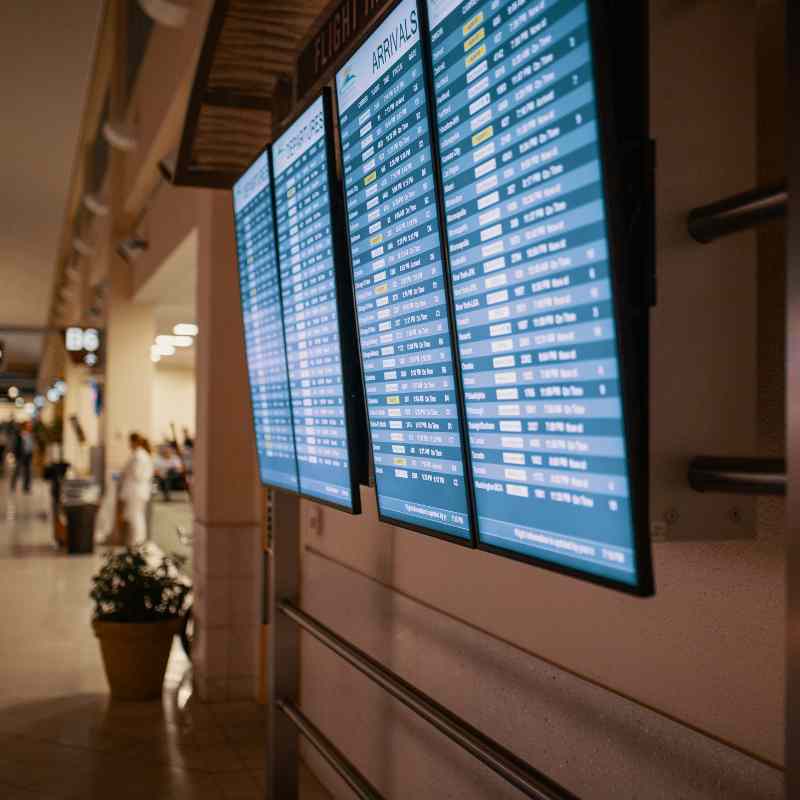
Confirm the cancellation and find out why
The first step is to make sure the flight is actually cancelled. Sometimes flights are delayed for hours and it’s not always clear which is which. Check your airline’s app or website, look out for any texts or emails, and speak directly to the staff at the desk if you can. Finding out why the flight was cancelled is really important because it affects what you’re entitled to later on. For example, if bad weather caused the cancellation, that usually counts as an extraordinary circumstance. But if it’s due to technical problems or staffing issues, you might be owed compensation for your UK flight cancellation.
Know your rights under UK law
The UK still follows many of the same rules that used to apply under EU261, which means air passengers have strong rights when flights are cancelled. If your flight departs from a UK airport, or arrives in the UK on a UK or EU airline, you could be entitled to compensation. The amount varies depending on how far you were meant to fly and how much the cancellation delays your arrival, but it can be up to £520 per person. On top of that, if you’re stuck overnight, the airline should provide you with food, drinks, and accommodation. Sadly, that doesn’t always happen automatically, so keep records and receipts in case you need to claim later.
Request rebooking or a refund
When your flight is cancelled, the airline must offer you a choice between rebooking on the next available flight or getting a full refund. If you need to get home urgently, rebooking is often the best option, but sometimes it makes more sense to take the refund and make your own arrangements. If you’re stranded overnight, ask the airline about hotel options. Some will provide vouchers, others will ask you to book and claim the costs back. Always keep the receipts for hotels, meals, and even transport to and from the airport. If the cancellation is within the airline’s control, they should reimburse you for reasonable costs.
Collect as much evidence as possible
When you’re exhausted and frustrated, keeping paperwork might not be your top priority, but it’s essential. Take screenshots of any texts or emails from the airline confirming the cancellation, save your boarding pass, and even take a photo of the departure board showing your cancelled flight. Make notes about the time and what staff told you. These details can make your life much easier later, especially if the airline disputes your claim.
Claim your compensation
Once you’re safely home, it’s time to deal with the paperwork. You can submit a claim directly with the airline, but many travellers find the process slow and complicated. Airlines can be reluctant to pay out, even when passengers are clearly entitled to compensation. That’s where AirHelp can step in. AirHelp helps passengers affected by UK flight cancellation problems to claim the money they’re owed without the stress of chasing the airline yourself. They handle everything from start to finish and only charge a fee if your claim is successful. It’s a simple way to make sure you don’t miss out on money you’re entitled to.
Protect yourself for future trips
Flight cancellations can happen to anyone, and while you can’t control the weather or airline schedules, you can take steps to make the experience less stressful. Always buy travel insurance that includes cancellation and delay cover. Try to book morning flights, as they’re less likely to be affected by knock-on delays. Keep essentials like medication, phone chargers, and snacks in your hand luggage in case you’re stuck in the airport longer than expected. It’s also worth knowing your rights before you fly so you feel confident if anything goes wrong.
A cancelled flight can turn a simple journey into a long, stressful ordeal, but it doesn’t have to leave you out of pocket. Stay calm, collect your evidence, and know your rights. With a bit of preparation and the help of trusted services like AirHelp, you can make sure that even when your plans fall apart, you’re still protected and informed.




.jpg)